
The global beauty industry is undergoing a major transformation. As consumers increasingly prioritize convenience, personalization, and cost-effective skincare solutions, home use beauty devices have become one of the fastest-growing segments in the personal care market. What was once limited to professional salons and dermatology clinics is now widely accessible in homes around the world.
For beauty brands, importers, and distributors, understanding which home beauty devices are most popular today—and why— is critical for making informed sourcing and product development decisions. This article provides an in-depth overview of the most in-demand home use beauty devices in the global market, the technologies behind them, and the trends shaping buyer preferences.
The Rise of Home Use Beauty Devices Worldwide
Home use beauty devices have gained global traction due to several converging factors. First, modern consumers are more educated about skincare technologies and expect visible results without frequent salon visits. Second, lifestyle changes—such as remote work and flexible schedules—have increased demand for at-home self-care solutions. Finally, advances in manufacturing and miniaturization have made professional-grade technologies safer and more affordable for personal use.
Markets such as North America, Europe, East Asia, and the Middle East are all experiencing strong growth, though consumer preferences differ by region. While European buyers often emphasize safety certifications and clinical validation, Asian markets tend to adopt new beauty technologies earlier, driving innovation cycles across the industry.
Facial Cleansing Devices: A Mature but Stable Bestseller
Facial cleansing devices remain one of the most widely adopted home beauty tools globally. These devices typically use sonic vibration or rotating brush technology to remove dirt, oil, makeup residue, and pollutants more effectively than manual cleansing.
Despite being a relatively mature category, facial cleansing devices continue to sell well due to repeat purchases, entry-level pricing, and strong appeal to first-time beauty device users. Silicone-based designs have become particularly popular because of their durability, hygiene advantages, and suitability for sensitive skin.
From a B2B perspective, this category offers high customization potential, including branding, color variations, and packaging differentiation, making it ideal for private label programs.
RF Skin Tightening Devices: Driving Anti-Aging Demand
Radio Frequency (RF) beauty devices are among the most sought-after home use devices in the anti-aging segment. These devices use controlled thermal energy to stimulate collagen production, improve skin elasticity, and reduce the appearance of fine lines.
Consumers are increasingly drawn to RF devices because they offer non-invasive skin tightening without downtime. While professional RF treatments remain popular, home versions are now perceived as a long-term maintenance solution rather than a replacement for clinical procedures.
Global demand is especially strong among consumers aged 30–55, making RF devices a core product for brands targeting the premium skincare market. Buyers sourcing RF devices typically prioritize safety mechanisms, temperature control, and compliance with international standards.
EMS Facial Devices: Sculpting and Lifting at Home
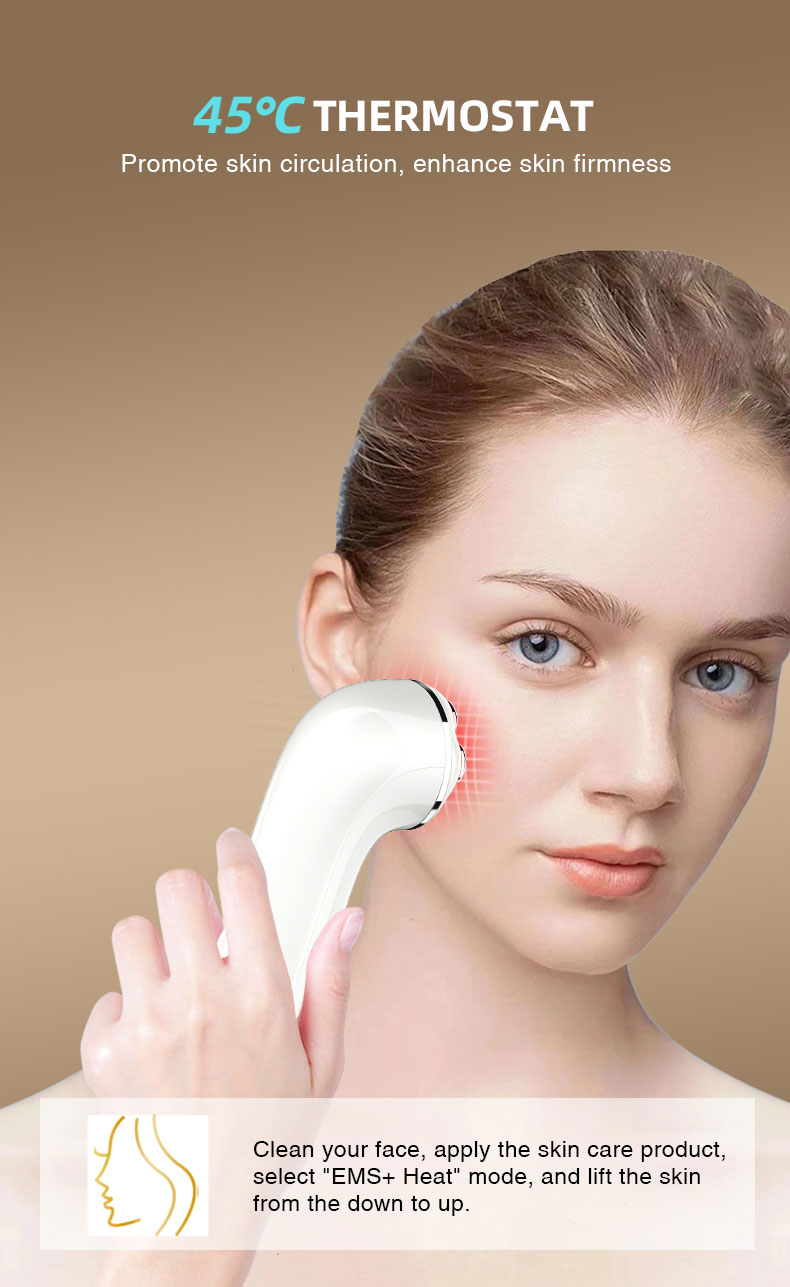
Electrical Muscle Stimulation (EMS) devices have become one of the fastest-growing categories in home beauty. These devices work by sending micro-currents to stimulate facial muscles, helping to lift, tone, and define facial contours.
EMS beauty devices are particularly popular in Asia, Europe, and increasingly in North America, where consumers are seeking non-surgical alternatives to aesthetic treatments. Their appeal lies in visible short-term results combined with long-term muscle conditioning.
From a manufacturing standpoint, EMS devices require precise current control and well-designed electrode placement, making supplier expertise a key consideration for buyers. Brands often position EMS devices as part of a holistic anti-aging or facial fitness routine.
IPL Hair Removal Devices: A Global Bestseller Category
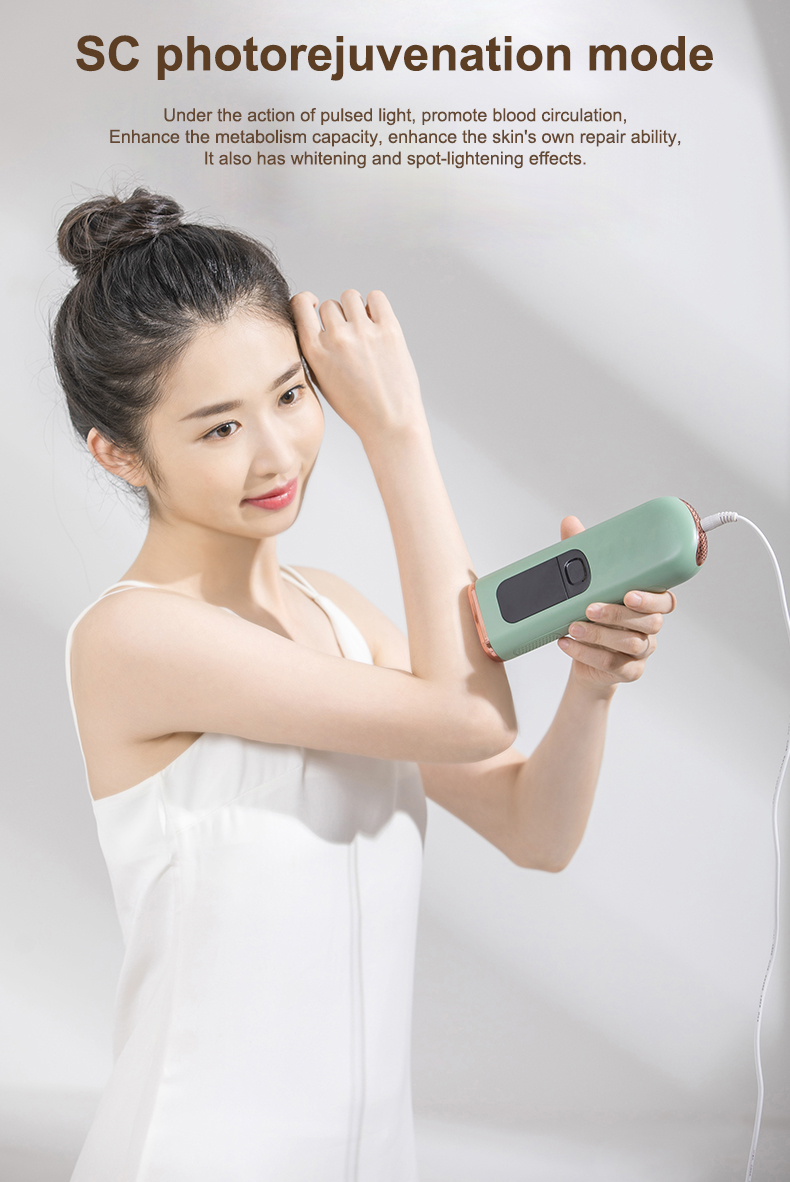
Intense Pulsed Light (IPL) hair removal devices remain one of the most commercially successful home use beauty devices worldwide. These devices use broad-spectrum light to target melanin in hair follicles, reducing hair growth over time.
The popularity of IPL devices is driven by several factors: high perceived value, long-term cost savings compared to salon treatments, and growing acceptance across genders. Modern IPL devices are now designed for multiple skin tones, adjustable energy levels, and enhanced safety sensors.
Regulatory compliance and clinical testing are especially important in this category, particularly for markets such as the EU, US, and Middle East. Buyers often look for manufacturers with proven experience in exporting IPL devices and supporting certification processes.
LED Light Therapy Devices: Science-Backed and Trend-Driven
LED light therapy devices have transitioned from niche clinical tools to mainstream home skincare solutions. Using specific wavelengths such as red, blue, and near-infrared light, these devices target concerns including acne, inflammation, pigmentation, and signs of aging.
The popularity of LED masks and handheld devices has surged due to social media exposure and increasing consumer trust in light-based skincare technologies. Unlike some beauty tools, LED devices are generally perceived as gentle and suitable for frequent use.
For brands, LED devices offer strong storytelling opportunities around science, wellness, and long-term skin health. Design innovation, comfort, and consistent light output are key factors influencing consumer satisfaction.
Multi-Function Beauty Devices: Convenience as a Selling Point
As the market matures, many consumers prefer multi-function beauty devices that combine technologies such as RF, EMS, LED, vibration, and heat into a single unit. These devices appeal to users who want a comprehensive skincare routine without purchasing multiple products.
Multi-function devices are particularly popular in premium and gift-oriented segments. However, they also present challenges for manufacturers, as integrating multiple technologies requires advanced engineering and quality control.
For B2B buyers, this category offers higher average order values and strong differentiation potential, especially when combined with thoughtful UI design and clear usage guidance.
Body Shaping and Sculpting Devices for Home Use
Beyond facial skincare, home use body beauty devices are gaining popularity. These include EMS body toning devices, vacuum massage tools, and RF-based body sculpting equipment designed for areas such as the abdomen, thighs, and arms.
While results are typically more subtle than professional treatments, consumers appreciate the ability to maintain body contours at home. This category is particularly attractive in regions where fitness, body aesthetics, and wellness overlap strongly.
Buyers entering this segment should consider ergonomic design, comfort, and realistic performance claims to ensure long-term customer satisfaction.
Key Trends Shaping the Global Home Beauty Device Market
Several trends are influencing which home use beauty devices perform best globally. One major trend is the growing emphasis on safety and compliance, especially in regulated markets. Consumers and retailers alike expect devices to meet recognized standards and provide clear usage instructions.
Another important trend is personalization. Adjustable intensity levels, app connectivity, and skin-sensing technologies are becoming more common, allowing users to tailor treatments to their needs.
Sustainability is also emerging as a differentiating factor. Rechargeable designs, durable materials, and eco-conscious packaging increasingly influence purchasing decisions, particularly in Europe.
What Global Buyers Look for When Sourcing Home Use Beauty Devices
For importers and brands, product popularity alone is not enough. Successful sourcing depends on selecting manufacturers with strong R&D capabilities, consistent quality control, and experience serving international markets.
Buyers often prioritize suppliers who can support OEM and ODM projects, offer flexible customization options, and understand regional compliance requirements. Transparent communication, stable production capacity, and long-term partnership potential are also critical factors.
In a competitive market, manufacturers that combine technical expertise with market insight are best positioned to support brand growth.
Conclusion: Understanding Popularity to Drive Better Product Decisions
Home use beauty devices are no longer a niche category—they are a core component of the global beauty industry. From facial cleansing tools to advanced RF, EMS, and IPL systems, consumer demand continues to evolve alongside technology and lifestyle trends.
For brands and buyers, understanding which devices are most popular—and the reasons behind their success—provides a strategic advantage. By aligning product selection with market demand, safety expectations, and user experience, businesses can build sustainable growth in the competitive beauty device market.
As innovation continues and consumer trust deepens, home use beauty devices will remain a powerful driver of global beauty industry expansion.